Recovery-Ready Families: Strengthening the Most Powerful Asset in the Recovery Ecosystem
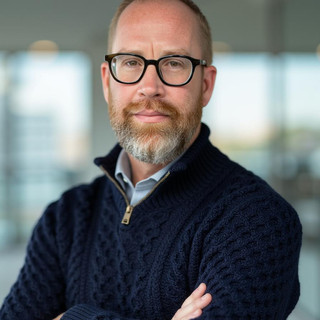

As part of this year’s National Rx and Illicit Drug Summit, I’ll be moderating a panel on Wednesday, April 8th from 10:30 AM – 11:45 AM in Delta Ballroom C at the Gaylord Opryland and Resort in Nashville, TN focused on a topic that is both foundational—and too often overlooked—in our behavioral health system:
The role of families in supporting recovery from substance use disorder (SUD).
This session will bring together a distinguished panel including Peter Gaumond, John Kelly, Alexandra Plante, and Stacee Read to explore how we can better equip families—and the systems around them—to support recovery in meaningful and sustainable ways.
Why This Conversation Matters
Families have a profound influence on:
Health and well-being
Risk of developing SUD
Engagement in treatment
Long-term recovery outcomes
And yet, despite their importance, families often operate within systems that are:
Fragmented
Difficult to navigate
Under-resourced
Impacted by stigma
At the same time, families themselves are often carrying the weight of trauma, isolation, and uncertainty—particularly in situations where children are impacted by parental substance use.
This session will center on the Recovery-Ready Families framework, which offers a structured approach to:
Reducing harm
Strengthening connection
Promoting intergenerational healing
Positioning families as active participants within a broader recovery ecosystem
Questions We’ll Be Considering
As we frame this discussion, our goal is to draw on both the latest research and real-world practice to better understand what works—and what still needs to change.
Some of the key questions we’ll be exploring include:
What does the latest research and practice tell us actually works when it comes to engaging and supporting families in recovery?
From your respective vantage points, what recent developments or emerging research are most important for the field to understand right now?
With policy changes such as the “One Big Beautiful Bill” passed in July 2025, how might widening coverage gaps impact the progress we’ve made in supporting recovery-ready families—and what solutions should we be considering in response?
Looking ahead, what headwinds do you anticipate when it comes to funding and sustaining family-centered recovery efforts over the next 3–4 years?
How should organizations be thinking about sustainable funding strategies in this environment?
In the midst of ongoing policy and system-level shifts, what gives you hope for the future of this work?
And how can attendees of the Rx Summit play a role in advancing meaningful change in this space?
Finally, how do we address the persistent challenges of stigma, isolation, and fragmented supports that limit a family’s ability to respond effectively—and what strategies show the most promise in overcoming these barriers?
From Individuals to Ecosystems
One of the themes I’m most looking forward to exploring is the shift from thinking about recovery as an individual journey to understanding it as something that is deeply embedded within:
Families
Communities
Employers
Health and social service systems
When these systems are aligned, families can serve as a powerful form of recovery capital—not only for their loved ones, but for each other.
But when they are not, families are often left navigating complexity on their own.
Looking Ahead
At a time when policy, funding, and system structures are evolving rapidly, this conversation is both timely and necessary.
If we are serious about improving outcomes in SUD treatment and recovery, we have to move beyond designing systems around individuals—and instead design them with families in mind.
That’s the conversation we’ll be having on April 8th.
How NorthStar Behavioral Health Advisory Can Help
At NorthStar Behavioral Health Advisory, we help organizations navigate exactly these kinds of challenges—where clinical care, policy, funding, and system design intersect.
Our work includes:
Designing integrated models of care that incorporate family engagement
Identifying reimbursement and funding pathways for non-traditional services
Supporting revenue diversification strategies across payer, grant, and philanthropic sources
Using data and analytics to demonstrate impact and guide decision-making
Advising on the development of sustainable recovery ecosystems
Because strengthening families isn’t just a clinical priority—it’s a systems strategy.
A Final Thought
Families have always been at the center of recovery.
The question is whether our systems will finally catch up.
Consider joining us between April 6th and April 9th, 2026 in Nashville, TN at the 2026 National Rx and Illicit Drug Summit by registering here: https://hmp-global.swoogo.com/RX26/begin?ajs_aid=874738b3-e9fe-440b-a25d-9621e7fddd64



Comments