Navigating Systems of Recovery: Reflections on the 2026 SAFE Project Collegiate Recovery Leadership Academy
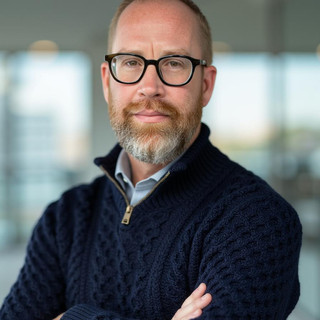

Over the weekend of November 8–9, I had the privilege of participating in the Kick-Off for the SAFE Project Collegiate Recovery Leadership Academy (CRLA) 2026 cohort in Washington, D.C.—a fitting backdrop for students learning to connect their campus initiatives to the broader strategies shaping addiction and recovery systems across our country. This marks my sixth year serving as a mentor, and over that time I’ve witnessed the program’s steady evolution, one that mirrors the growing sophistication of the national collegiate recovery movement itself. The progress we’ve seen is a testament to the extraordinary work of the SAFE Project team, the CRLA working-group leaders, and the hundreds of student fellows who have carried forward the mission of building recovery-ready campuses.
The 2025 CRLA cohort demonstrated just how far this work has come. Across more than 30 campuses, fellows expanded access to naloxone, distributed over 2,600 fentanyl testing strips, and grew collegiate recovery communities by 244 students. They organized awareness campaigns, created peer-mentorship programs, developed policy proposals, and built cross-campus collaborations to advance recovery, prevention, and harm-reduction. Each project, large or small, represents a systems-level intervention, students identifying a local gap, mobilizing resources, and engineering a sustainable response within their own campus ecosystem.
From Projects to Systems Change
Over the years, I’ve helped students navigate the twists and turns of their campus and community impact projects, campaigns to reduce stigma, initiatives to increase harm-reduction resources, efforts to design trauma-informed spaces for students in recovery. Some projects have been grand in scale; others more grassroots in nature. But the common thread has always been the same: a deep commitment to ensuring that those affected by addiction can connect with a community of people who care enough to create safe spaces for healing and dialogue.
This is what systems thinking looks like in practice, students not only addressing a problem, but also mapping the relationships, structures, and incentives that influence it. Whether it’s a student coalition working with campus police to stock naloxone in residence halls or a peer mentor designing training that blends mental-health literacy with recovery allyship, each project challenges institutional norms and redefines what recovery leadership can look like. The creativity, courage, and persistence these students show continues to teach me as much as I could ever teach them.
Bridging Academia and Recovery Systems
This year’s kickoff felt particularly poignant. It reignited my appreciation for the tenacity of recovering students, their allies, and the emerging workforce being developed to tackle addiction and overdose across the country.
In addition to my work with SAFE Project, I’ve spent the past decade serving as an adjunct faculty member at Concordia College. What once began as an “off-the-side-of-my-desk” teaching role has become a vital part of my professional identity. The connections I build with students, both in the classroom and through programs like CRLA, have reinforced that higher education is not separate from recovery systems work; it is systems work.
Our classrooms, campuses, and communities are deeply interdependent. The same leadership skills that drive change in public-health policy, payer innovation, and healthcare delivery are cultivated in these collegiate recovery environments, where lived experience meets academic inquiry, and where data meets humanity.
Spending time with students of all ages has been a humbling reminder of what collective leadership can achieve. Their commitment, creativity, and collaboration continually renew my sense of hope for what’s possible in this field.
Renewed Purpose
As I left the CRLA kickoff, I found myself reflecting on the intersections between mentorship, academia, and systems design. The emerging professionals I’ve been fortunate to mentor are not only changing conversations on their campuses, they are future policymakers, clinicians, and system architects who will carry forward the next generation of innovation in behavioral health.
When confronted with fear—whether it’s the fear of failure, stigma, or vulnerability, these students have shown that courage often begins in connection. Creating safe spaces, advocating for others, and speaking openly about recovery are all acts of systems disruption. They challenge the silos that have too long defined our approach to addiction, and they invite us all to step forward with authenticity and purpose. In the words of Johann Hari, “The opposite of addiction is connection.” Connection to our friends, our families, our communities, and our vocation. Programs like SAFE Project’s Collegiate Recovery Leadership Academy remind us that connection is not just the antidote, it is the system itself.
Looking Ahead
This renewed enthusiasm compels me to double down on my commitment to collegiate recovery leadership, continuing to show up, stay curious, and create room in my professional life for students and peers who challenge me to think differently.
I plan to remain fully present when given opportunities to learn from others, students, mentors, and colleagues alike, and to nurture these relationships with renewed energy and intention. The investment is always worth it.
At NorthStar Behavioral Health Advisory, I believe that progress in recovery and behavioral health requires more than good intentions, it requires systems built to sustain connection. Whether helping payers design value-based behavioral-health models, guiding community coalitions toward integrated care frameworks, or advising colleges and nonprofits on recovery-ready environments, my work centers on aligning data, policy, and lived experience. The lessons learned through programs like SAFE Project’s Collegiate Recovery Leadership Academy reinforce my purpose: to help organizations navigate complexity with clarity, compassion, and measurable impact, so that all communities, families, and individuals can thrive.


Comments